
For a wholesale kite order, the kite itself is only part of the customer experience. The line, handle, winder, tail, connectors and pack format determine whether the product is easy to display, simple to use and practical to replace. Accessories are also where mismatched specifications often appear: a line may be too short for the intended kite, a handle may not suit the user group, or loose parts may be poorly protected in transit.
This guide helps retailers, event buyers, distributors and promotional teams specify kite flying accessories as part of a complete wholesale order. It is designed for buyers comparing ready-to-sell ranges, custom programs and bulk replenishment orders.
Start with the way the kite will be used
There is no universal accessory pack. Begin by defining the use case, because it affects line handling, durability, pack-out and the level of instruction needed.
- Retail and beach-shop programs: prioritize a compact, clearly labeled pack that is easy for shoppers to understand and replenish.
- Promotional events: prioritize quick distribution, brand presentation and components that suit the selected kite design.
- Schools and activity kits: prioritize simple assembly, age-appropriate component choices and clear instructions for the activity plan.
- Replacement-part orders: prioritize compatibility with the existing kite’s line attachment, frame system and packaging requirements.
- Sport or dual-line models: define the line set, handles or straps, and any storage or protection needed for the specific model.
Write this use case into the RFQ. It gives suppliers a basis for recommending compatible components rather than quoting an undefined “standard accessory set.” If your program includes several kite types, list the accessory configuration for each SKU instead of assuming one pack will suit them all.
Specify the flying line before choosing a winder or handle
Line is a functional component, not just an extra item in the bag. The required specification depends on the kite type, anticipated user, intended wind range, flying space and line-management method. A buyer should ask for the line material, construction, length, supplied format and attachment method to be stated in the quotation or sample specification.
For single-line kites, clarify whether the line is supplied on a spool, a simple winder or another format. For dual-line or performance-oriented products, define the complete set rather than treating each line separately. Also ask how the line is secured during packing so it will not tangle before the first use.
For a deeper review of line options, see the kite string guide for wholesale buyers. That guide can support the technical line brief, while this article helps you build the full accessory pack around it.
Questions to put on the line specification
- What line material and construction are proposed?
- What length is supplied with each kite or kit?
- Which winder, spool, reel, handle or straps are included?
- How does the line attach to the kite, and is the attachment supplied?
- How are lines separated, restrained or protected in retail packaging?
- What replacement or spare-part format is needed for your channel?
Choose tails and small parts as a system
Tails can add visibility, balance and movement, but they should match the kite shape and intended use. The material, length, attachment method and pack-out need to be considered together. A long tail that is suitable for an open-area display may be inconvenient in a compact retail pack; a short decorative tail may not be intended to provide the same flight effect. Avoid writing only “tail included.” Define the type and the way it connects to the kite.
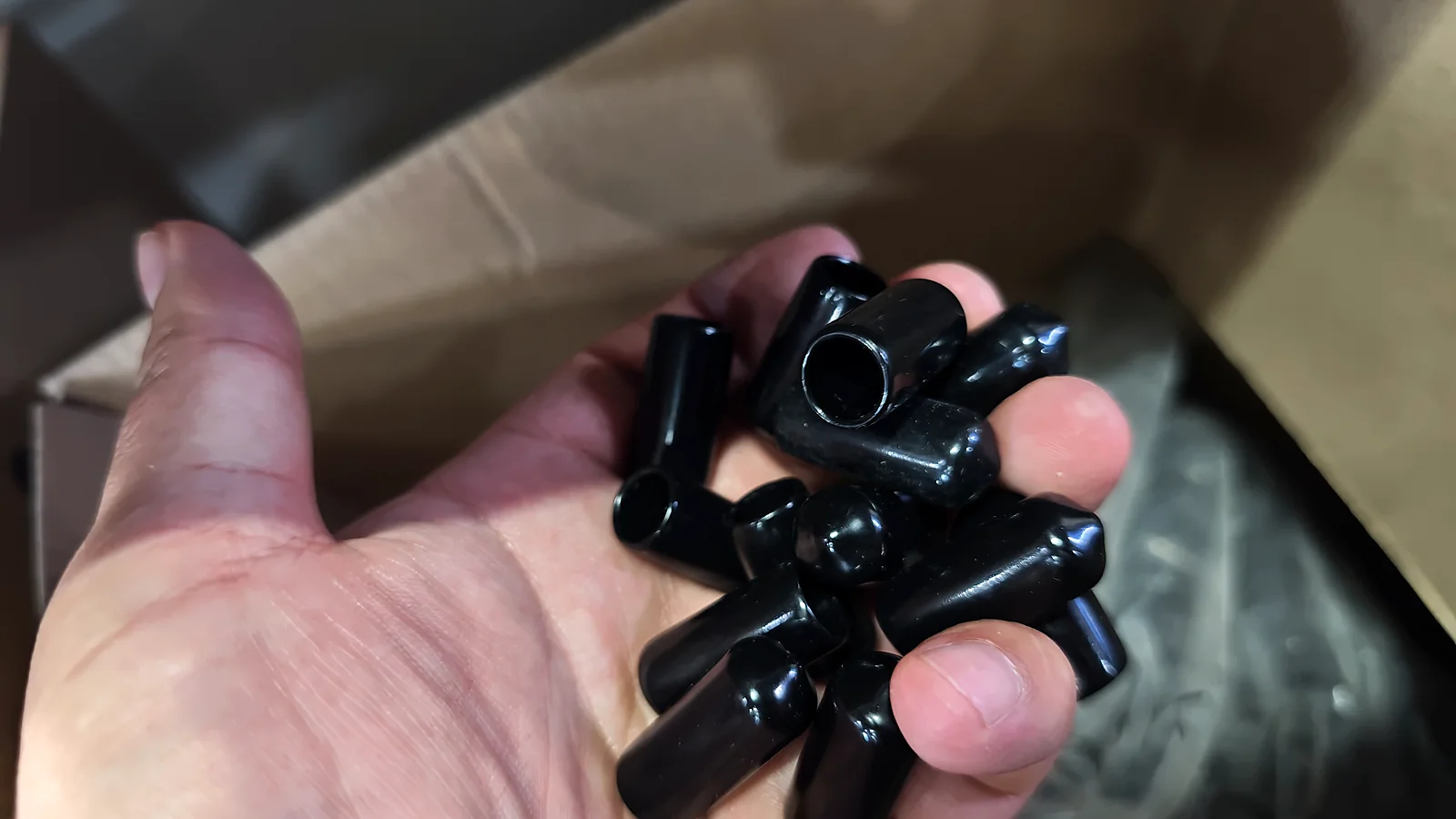
Small fittings deserve the same discipline. Connectors, clips, rings, sleeves and spare components should be identified by function and compatibility. If a part is removable, specify whether it is fitted before packing, placed in a marked inner bag or supplied separately as a replacement item. This reduces confusion during fulfillment and makes incoming inspection more meaningful.
Use the kite tail guide when selecting tail materials and planning the intended flight setup. For a wholesale range, it is useful to translate that decision into a simple SKU-level component list.
Build an accessory matrix for every SKU
An accessory matrix is a practical way to compare quotations and prevent omissions. Create one row per kite SKU, then list every included component. This is especially useful when a collection combines entry-level single-line kites, promotional models and more technical products.
| Specification field | What to define |
|---|---|
| Kite SKU and use case | Retail, event, school activity, promotional giveaway or replacement program |
| Line set | Material, format, length, attachment and whether it is pre-fitted |
| Handling component | Winder, spool, reel, handle or straps, with the applicable kite type |
| Tail and fittings | Material, attachment method, quantity and how loose parts are packed |
| Instructions | Required language, artwork ownership, warnings or assembly steps to be supplied |
| Pack-out | Inner bag, header card, sleeve, box or other agreed retail and shipping format |
| Inspection points | Items to confirm in the approved sample and before shipment |
Keep the matrix with the approved quotation, artwork files and sample record. It becomes a useful control document for repeat orders because it separates product decisions from assumptions made during a single buying cycle.
Plan accessories with packaging and fulfillment
Accessories affect carton efficiency, presentation and the risk of damage or missing parts. A line winder, tail pack or handle that seems minor at the component stage can change the retail pack shape and the way units sit in an export carton. Ask the supplier to show the accessory arrangement in the sample pack before final approval, particularly if you need shelf-ready retail packaging or branded event distribution packs.
For example, decide whether the line and tail are pre-attached, bagged separately, or held by a card or tie. Each choice has trade-offs in assembly time, display appearance and how easily the end user can understand the product. When components carry instructions, labels or barcodes, define which party provides the artwork and which proof must be approved.
Our custom kite packaging guide covers the packaging choices that can be discussed alongside this accessory plan. If you are sourcing a broader assortment, review the wholesale kite accessories range before requesting an RFQ.
Use the sample to verify the complete pack
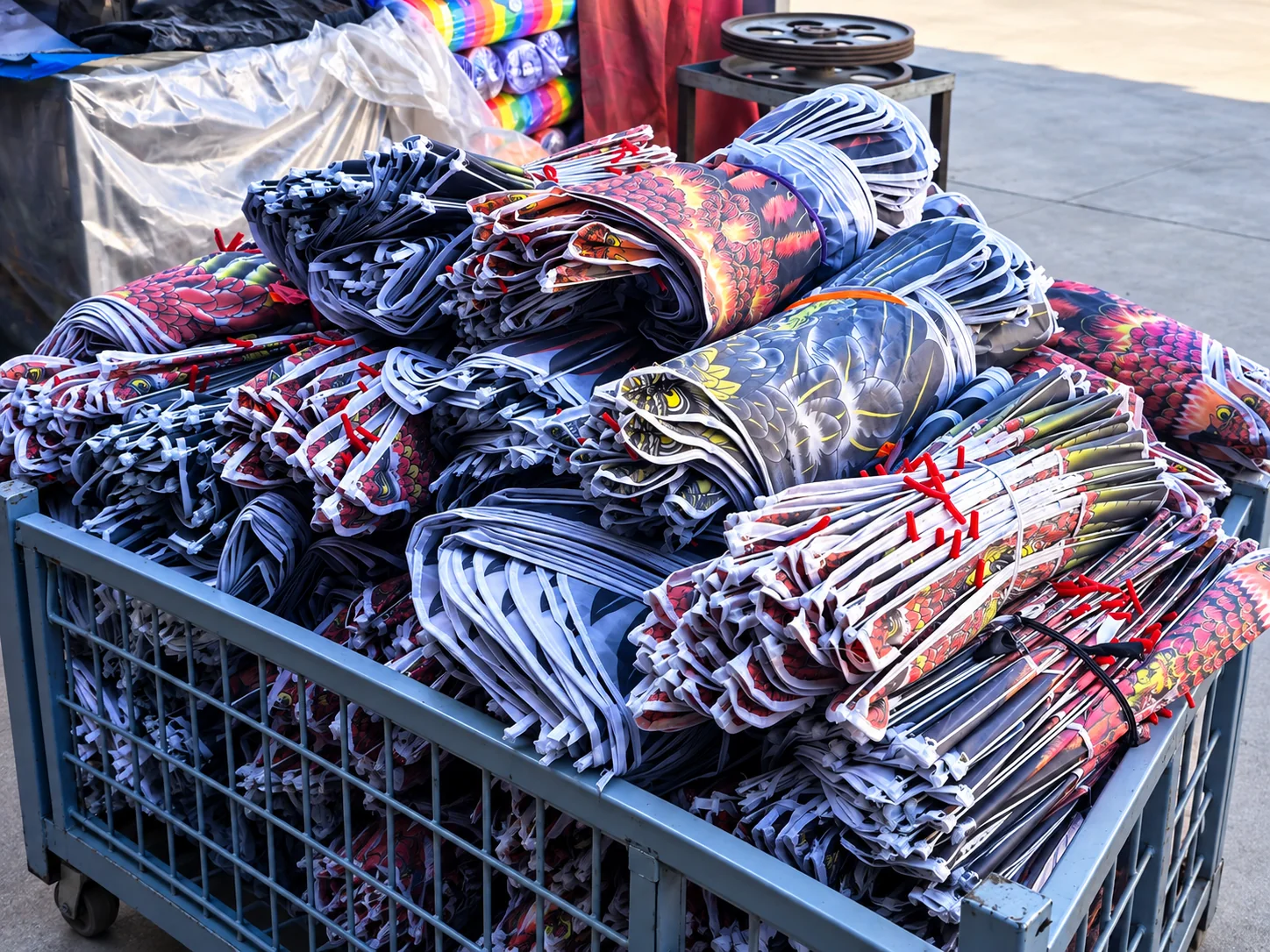
Do not approve a kite sample in isolation when the final order includes accessories. Review a representative, fully packed unit. Check that the stated components are present, that the line and fittings match the agreed configuration, and that the packaging protects loose parts without making the product difficult to open or understand.
Your inspection checklist can include component count, visible damage, attachment points, line restraint, labeling and the appearance of the completed retail or event pack. For larger programs, agree in advance which records, photos or pack-out references will be used to confirm the approved configuration. The kite quality control checklist can help you build a broader inspection plan around those accessory checks.
FAQ
What accessories should be included with a wholesale kite?
It depends on the kite type and use case. A practical specification normally identifies the flying line, handling component, tail or fittings where applicable, instructions and the way each part is packed. Confirm every inclusion at SKU level rather than relying on a generic description.
Can I order accessories separately from the kites?
Yes, buyers can request a separate accessory or replacement-parts quotation. Provide the existing kite SKU, photos or approved specification, attachment details and the required pack quantity so compatibility can be checked.
How do I avoid missing accessories in a bulk order?
Use a component matrix, approve a fully packed sample and include accessory count and pack-out checks in the inspection plan. These steps make it easier to compare quotations and verify the final configuration.
Request a complete accessory specification
Whether you are building a retail assortment, planning an event giveaway or replenishing replacement parts, a complete accessory brief leads to more comparable quotations and a clearer sample review. Contact KiteSourcing with your kite types, intended use, target market and packaging needs, and we can help organize the specification for your inquiry.